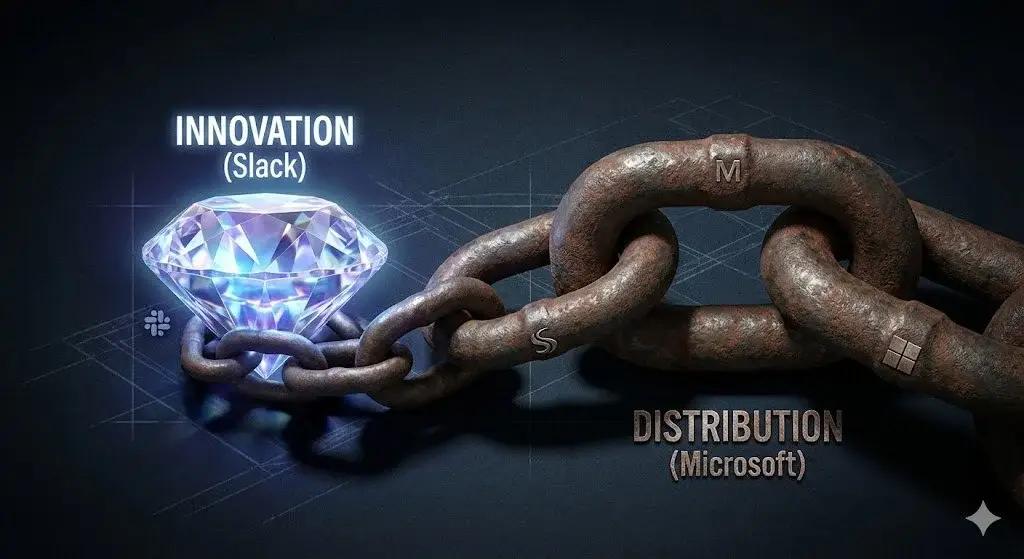
Product superiority is not a strategy. It’s a vanity metric.

There is a famous quote by Jim Barksdale, the former CEO of Netscape: “There are only two ways to make money in business: One is to bundle; the other is to unbundle.” As Product Managers, we are trained to focus on the “Unbundle” phase—creating specific, best-in-class solutions for specific problems (like Slack for chat, Zoom for video, Jira for tickets). But as you move into Executive Leadership (Director/CPO), the pendulum swings. The P&L demands efficiency, and efficiency almost always comes from Bundling. ...
January 4, 2026

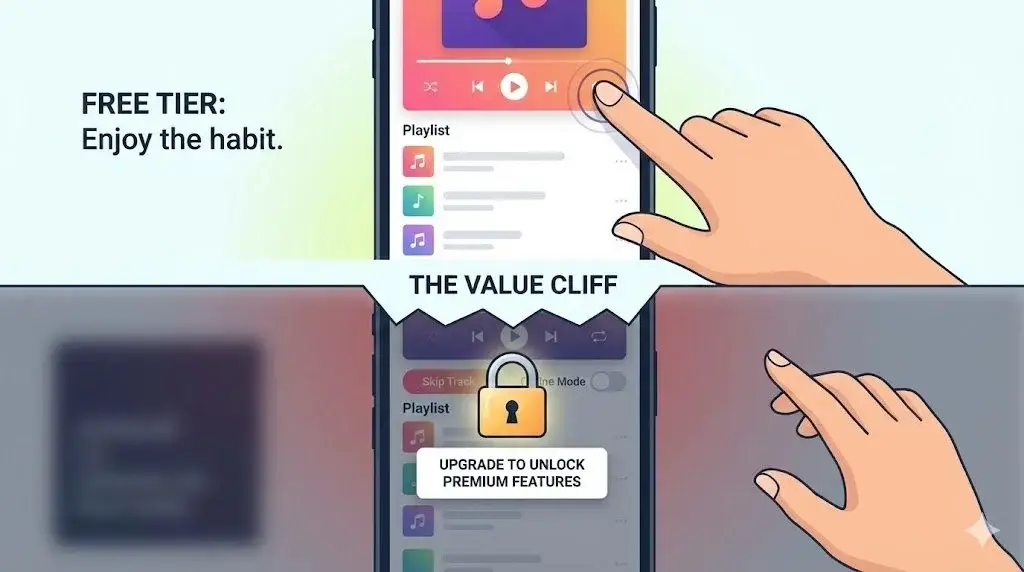
The Paywall Paradox: Why the Most Profitable Apps Are Also the Most Generous

The “Free” Illusion There is no such thing as a free app. If an app is “free,” it is one of two things: You are the product (they are selling your data/ads). It is a marketing channel for a paid product (Freemium). Freemium is the dominant business model for modern B2C SaaS. But getting it right is arguably the hardest challenge in product strategy. The Economics of Generosity Why give your hard work away for free? Because Customer Acquisition Cost (CAC) is expensive. Running ads on Facebook and Google to get someone to download a $5 app is often unsustainable. ...

January 1, 2026

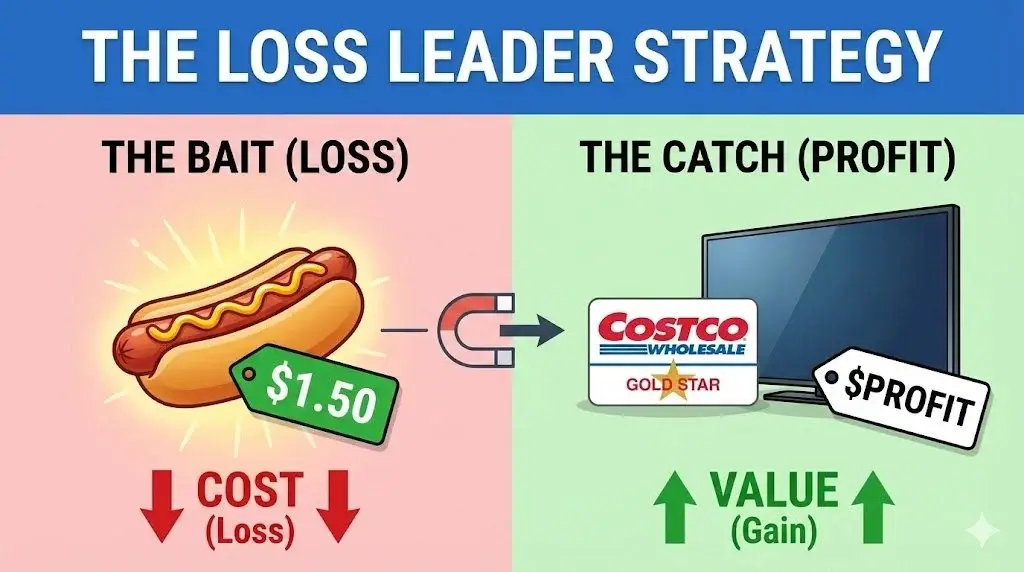
The $1.50 Hot Dog Strategy: When Losing Money is the Most Profitable Move

The Famous Threat In 2009, Costco’s then-CEO came to the founder, Jim Sinegal, and said, “Jim, we can’t sell this hot dog for $1.50 anymore. We are losing our shirts.” Sinegal replied with the now-famous line: “If you raise the effing hot dog, I will kill you. Figure it out.” So, they built their own hot dog factories just to keep the price down. They refused to break the $1.50 price point. ...

December 25, 2025

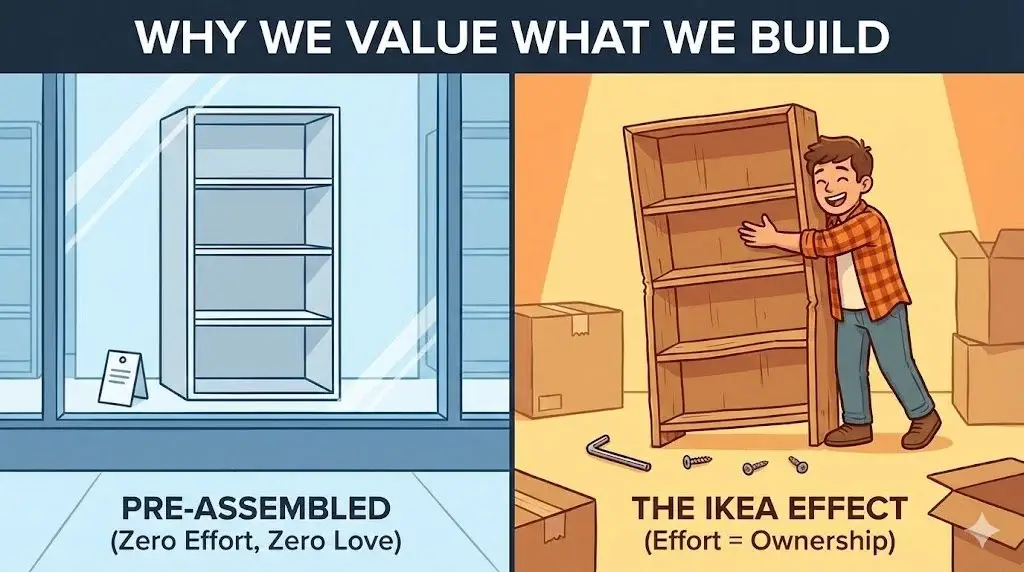
The IKEA Effect: Why We Love the Products We Build ourselves (And How to Use It)

The Wobbly Bookshelf Paradox There is a strange paradox in human psychology. We hate work, but we love the fruits of our labor. Researchers Dan Ariely, Michael Norton, and Daniel Mochon dubbed this the “IKEA Effect.” In their experiments, they found that people who built a simple LEGO set valued it significantly higher than people who were just handed the completed set. The act of creation—even a simple, guided one—creates a cognitive bias. We assume that anything we spent time on must be valuable. ...

December 25, 2025

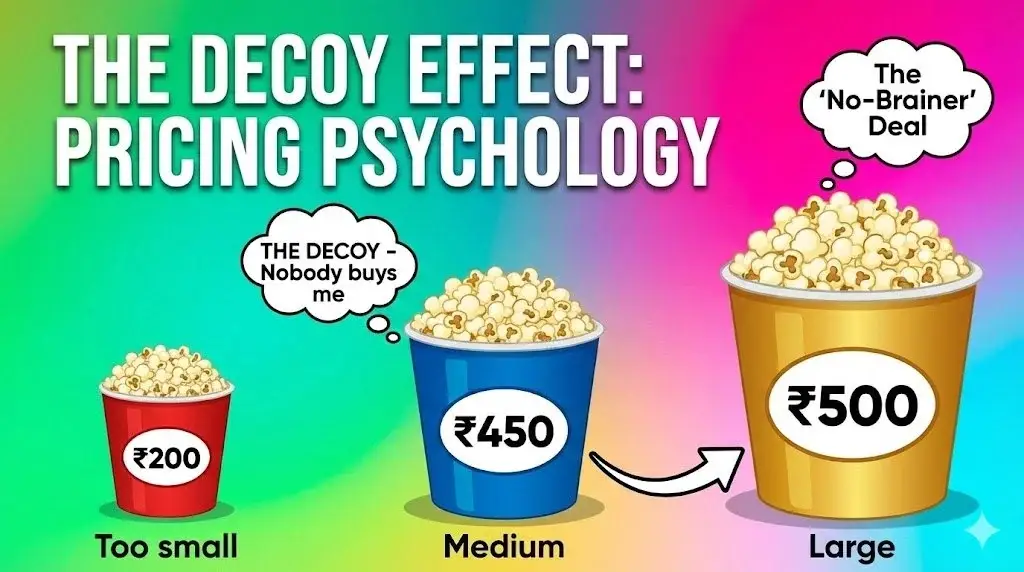
The Decoy Effect: How to Use "Useless" Options to Drive Revenue

The Rational Shopper Myth We like to believe we are rational. We think we judge a product’s value based on its intrinsic worth. But behavioral economics tells us a different story: Humans are terrible at evaluating absolute value. We are only good at evaluating relative value. We don’t know if a subscription is “worth” $50. We only know if it’s “better value” than the $40 option next to it. The Experiment This phenomenon was famously demonstrated by Dan Ariely (author of Predictably Irrational) using an Economist magazine subscription offer. ...

December 22, 2025

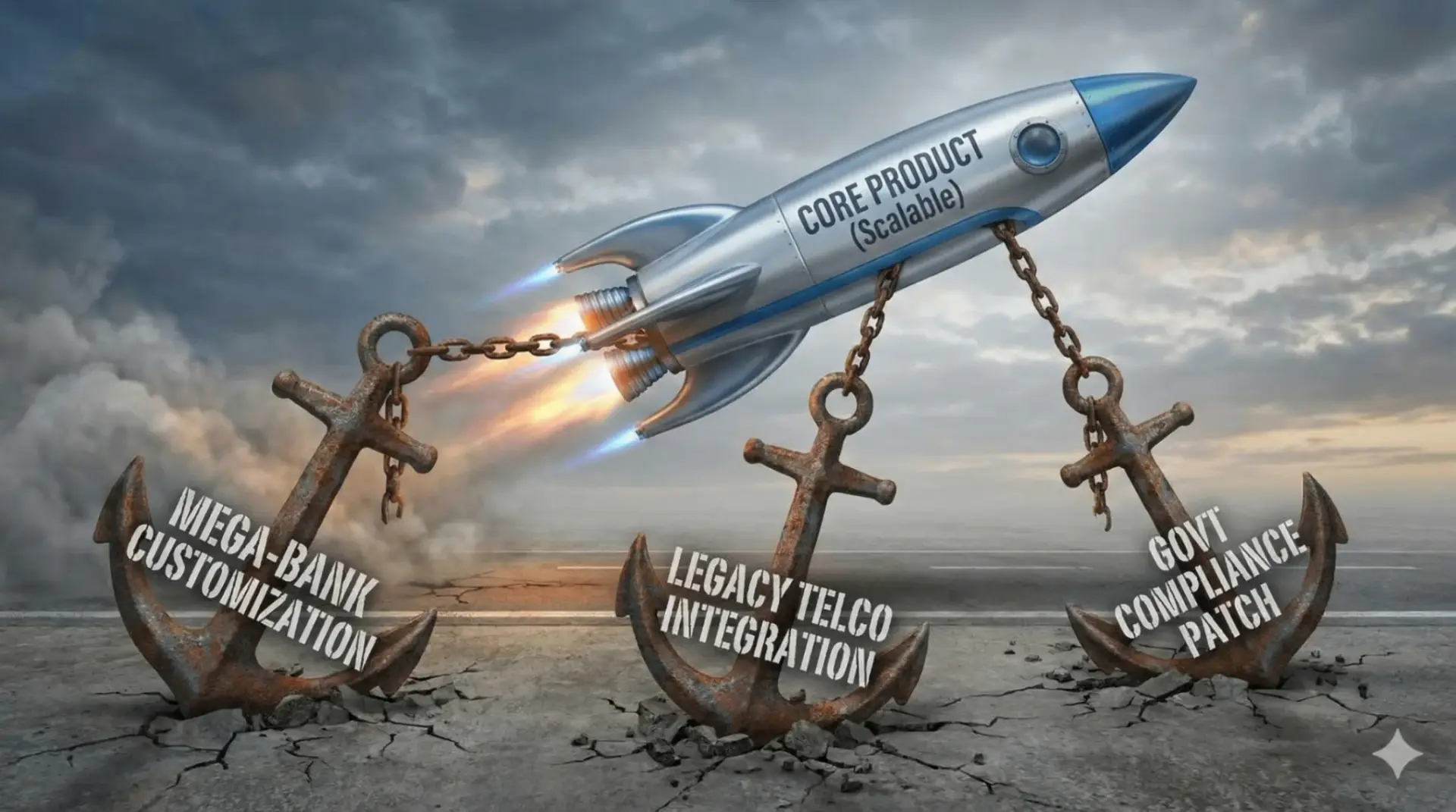
The $1 Million Mistake: When "Custom Features" Kill Your Product Strategy

The Siren Song of the Enterprise Deal In the early stages of a B2B startup, revenue is oxygen. When a massive enterprise client (a bank, a telco, a government agency) shows interest, it is intoxicating. It validates your existence. But these “Elephants” or “Whales” rarely buy off-the-rack. They demand tailoring. “We need this specific report format.” “We need an on-premise deployment option.” “We need this button to be blue, not green.” ...

December 17, 2025

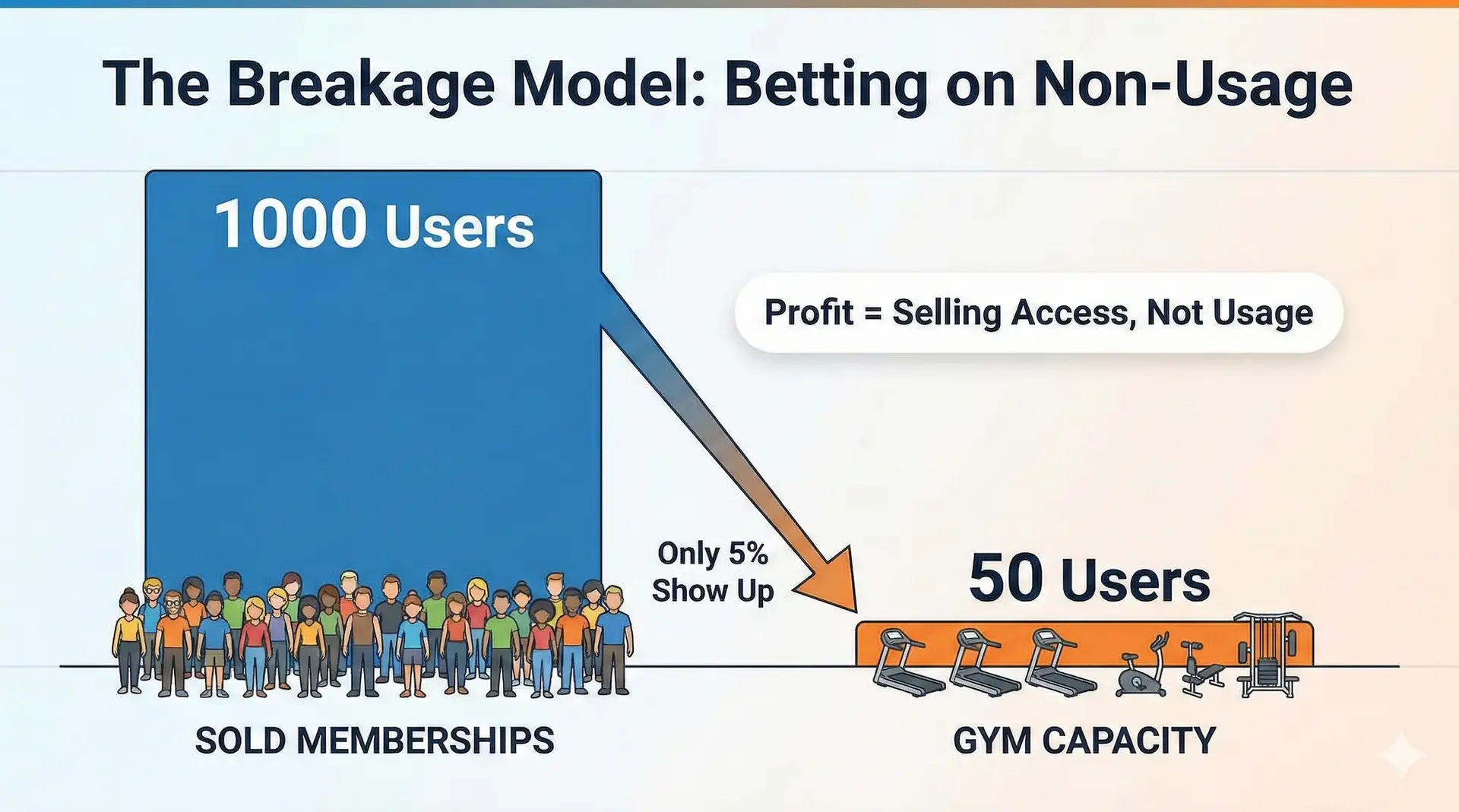
The Gym Membership Paradox: Why "Breakage" is a Valid Business Model

The Observation January is here. You walk into a premium gym. The sales guy pitches you: Monthly Plan: ₹3,500/month (Total ₹42k/year). Annual Plan: ₹12,000/year (Effective ₹1,000/month). It’s a no-brainer. You buy the annual plan. You feel smart. But the gym owner is smarter. By March, you stop going. You have effectively paid ₹12,000 for 2 months of usage (₹6,000/month). The gym wins. The “Breakage” Revenue Model In the payments and gift card industry, “Breakage” refers to the revenue gained from services that are paid for but never used. ...

December 3, 2025