The Zeigarnik Effect: Why 99% Complete is More Powerful Than 100%

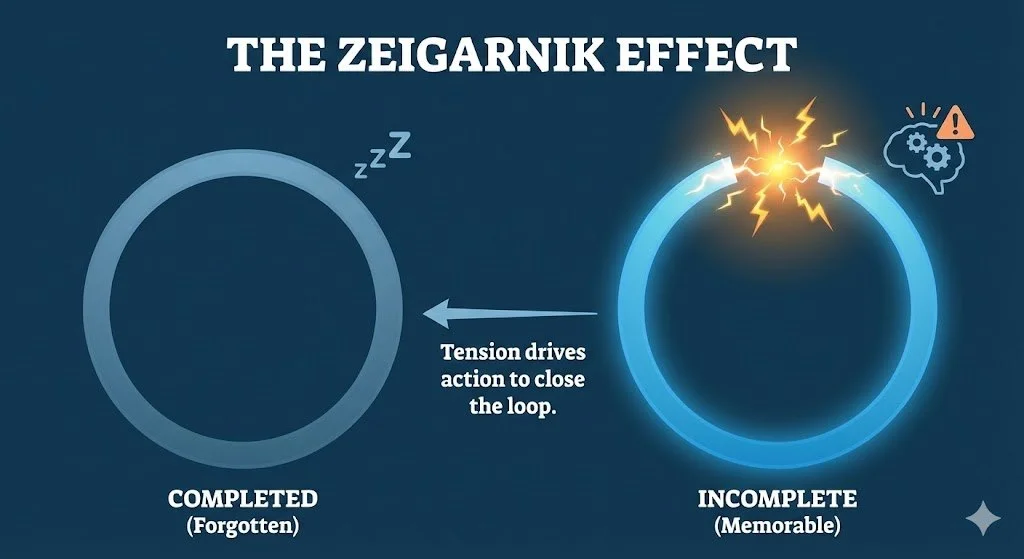
The Psychology of the “Cliffhanger” Bluma Zeigarnik proved that people remember uncompleted or interrupted tasks 90% better than completed ones. This is why you remember the one bug you couldn’t fix on Friday afternoon all weekend, but you forget the 10 bugs you fixed on Monday. The “Open Loop” creates a state of mild anxiety. The only way to relieve the anxiety is to return and finish the task. How to Weaponize This in Product Design 1. The “Almost Done” Progress Bar (LinkedIn) LinkedIn is the master of this. For years, users saw a “Profile Strength” meter. It would get stuck at “Intermediate.” Users would spend hours endorsing strangers and adding obscure skills just to get that bar to “All-Star.” The Trick: If they showed no bar, nobody would care. By showing a partial bar, they created a Zeigarnik itch. ...
February 11, 2026

Loss Aversion: Why Your Users Fight Harder to "Keep" Than to "Win"

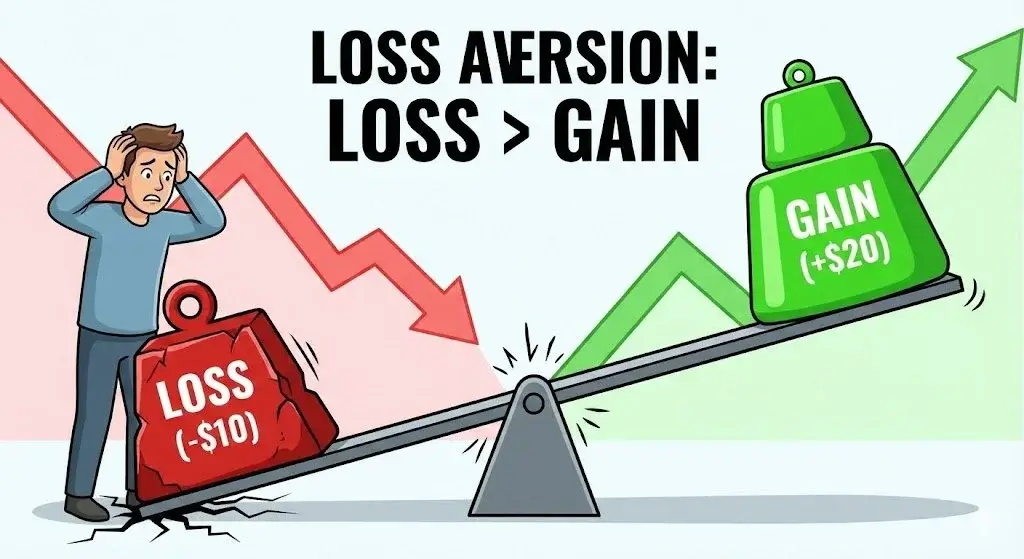
The Asymmetry of Value Imagine I offer you a coin flip. Heads: You win $20. Tails: You lose $20. Would you take the bet? Most people say No. What if I change it? Heads: You win $40. Tails: You lose $20. Most people still hesitate. Mathematically, this is irrational. The “Expected Value” is positive. Psychologically, it makes perfect sense. The pain of losing $20 outweighs the joy of winning $40. We are hardwired to protect our resources. ...

January 18, 2026

The Hook Model: How to Manufacture Habits (and Why Slot Machines are Addictive)

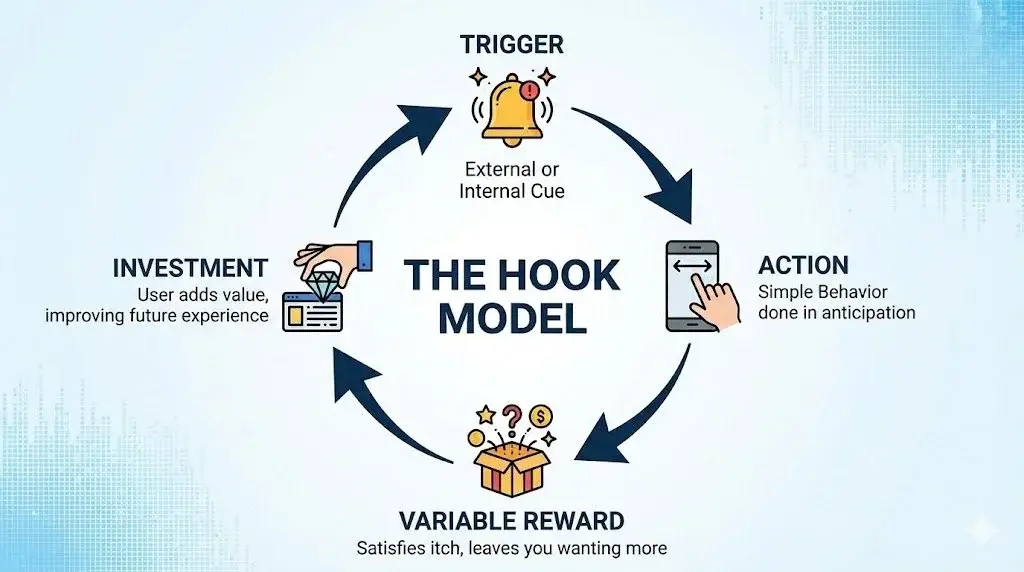
The 4-Step Loop Why do some products flop while others become obsessions? It’s not just “value.” It’s the delivery mechanism. The Hook Model explains the cycle that turns a conscious choice into an automatic behavior.1 1. The Trigger (The Cue) Every habit starts with a spark. External Triggers: Emails, push notifications, icons with red badges.2 These are training wheels. Internal Triggers: This is the goal. You want the user’s emotions to trigger the app. ...

January 17, 2026