The Decoy Effect: How to Use "Useless" Options to Drive Revenue

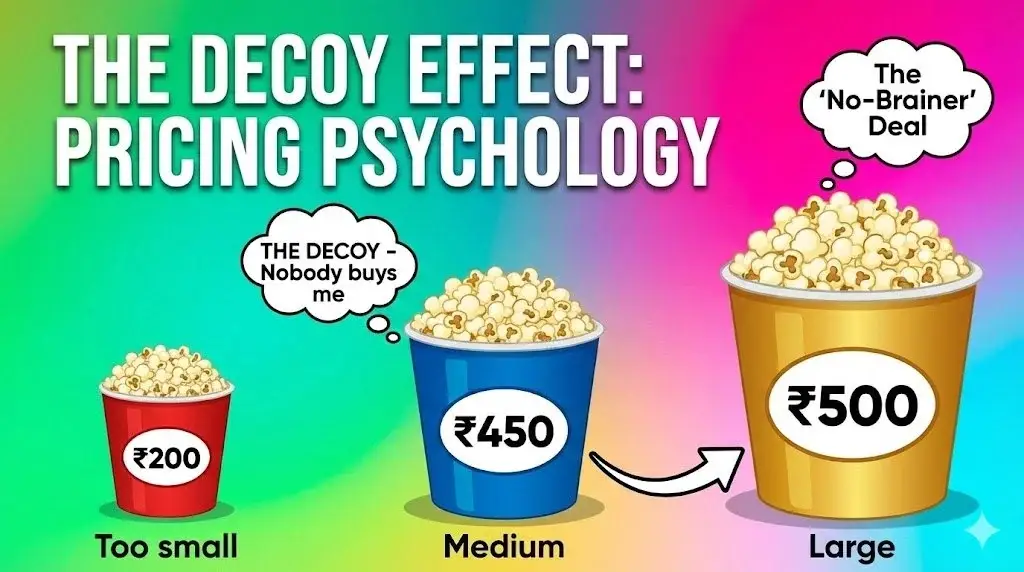
The Rational Shopper Myth We like to believe we are rational. We think we judge a product’s value based on its intrinsic worth. But behavioral economics tells us a different story: Humans are terrible at evaluating absolute value. We are only good at evaluating relative value. We don’t know if a subscription is “worth” $50. We only know if it’s “better value” than the $40 option next to it. The Experiment This phenomenon was famously demonstrated by Dan Ariely (author of Predictably Irrational) using an Economist magazine subscription offer. ...
December 22, 2025

The Gym Membership Paradox: Why "Breakage" is a Valid Business Model

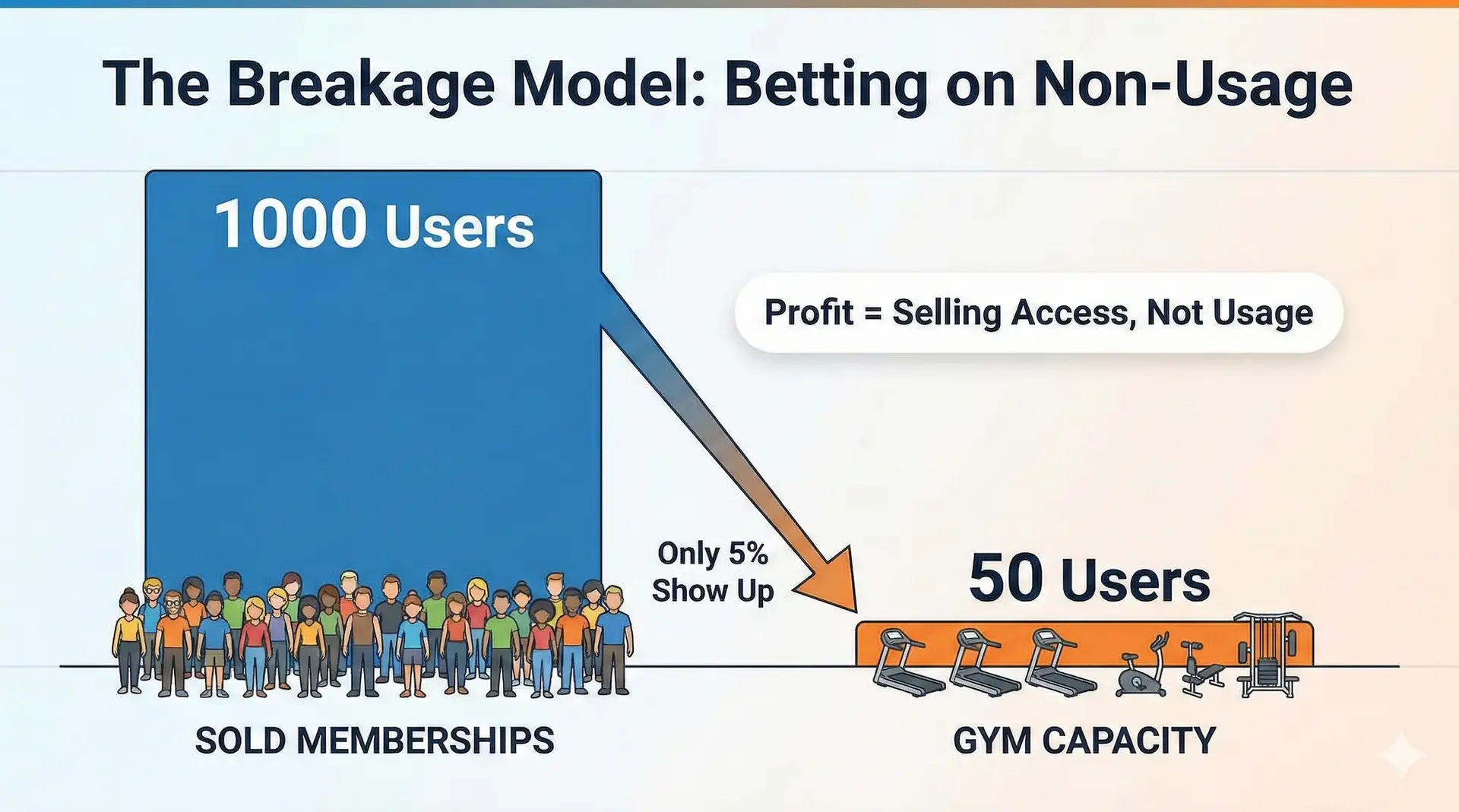
The Observation January is here. You walk into a premium gym. The sales guy pitches you: Monthly Plan: ₹3,500/month (Total ₹42k/year). Annual Plan: ₹12,000/year (Effective ₹1,000/month). It’s a no-brainer. You buy the annual plan. You feel smart. But the gym owner is smarter. By March, you stop going. You have effectively paid ₹12,000 for 2 months of usage (₹6,000/month). The gym wins. The “Breakage” Revenue Model In the payments and gift card industry, “Breakage” refers to the revenue gained from services that are paid for but never used. ...

December 3, 2025

The Popcorn Economy: Why PVR & INOX Isn't Actually in the Movie Business

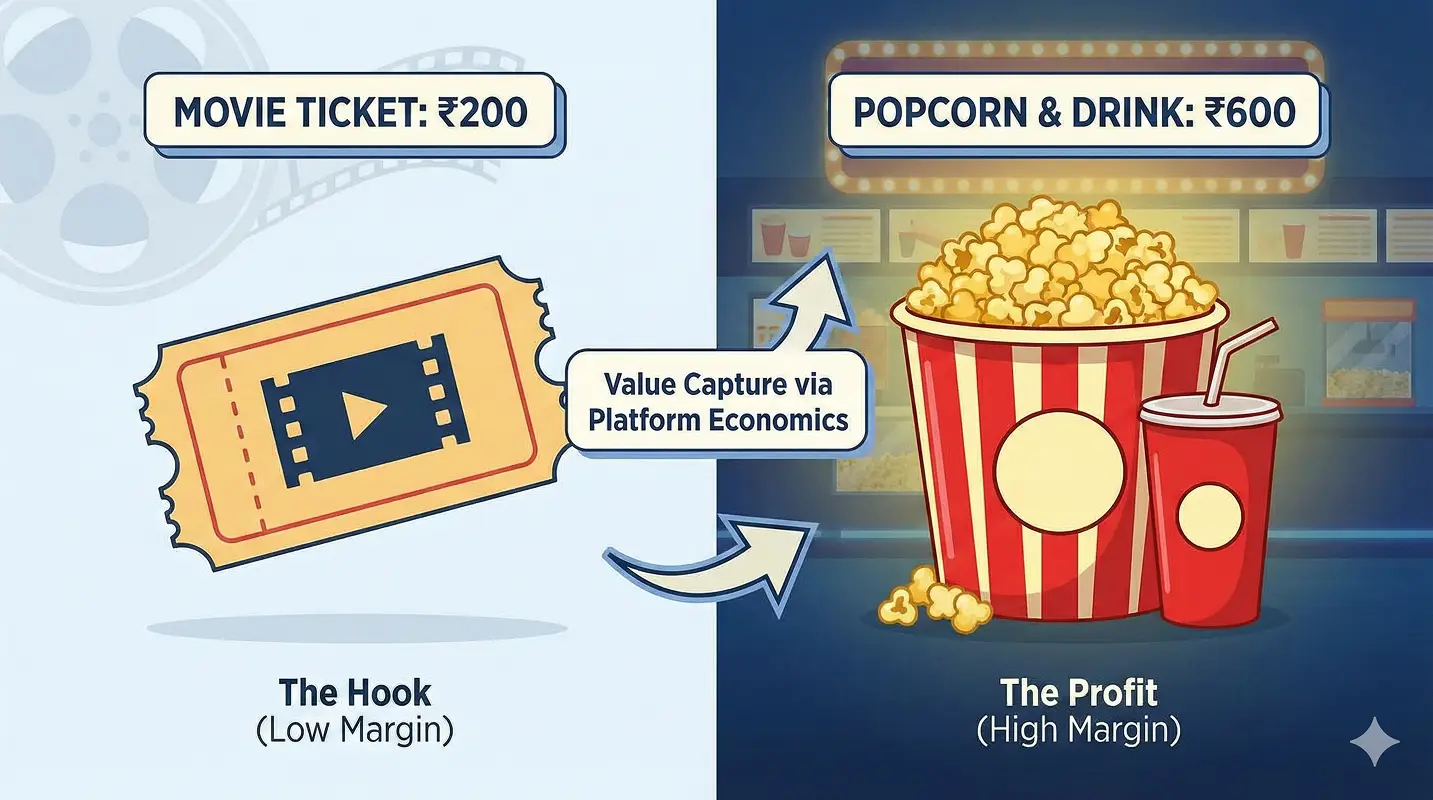
The User Frustration We have all been there. You walk into a PVR or INOX on a Tuesday. You are happy because you snagged a ticket for just ₹200. You walk to the concession stand, order a regular popcorn and a Pepsi, and the bill comes to ₹650. You feel cheated. You wonder, “How can puffed corn cost three times more than a multi-million dollar blockbuster movie?” As a consumer, it feels like price gouging. But as a Product Manager, if you look at the P&L (Profit and Loss) statement, you realize it’s actually a brilliant execution of Platform Economics. ...

November 22, 2025