The 2030 Skill Paradox: Why Your "Hard Skills" Are Losing the War to Self-Efficacy

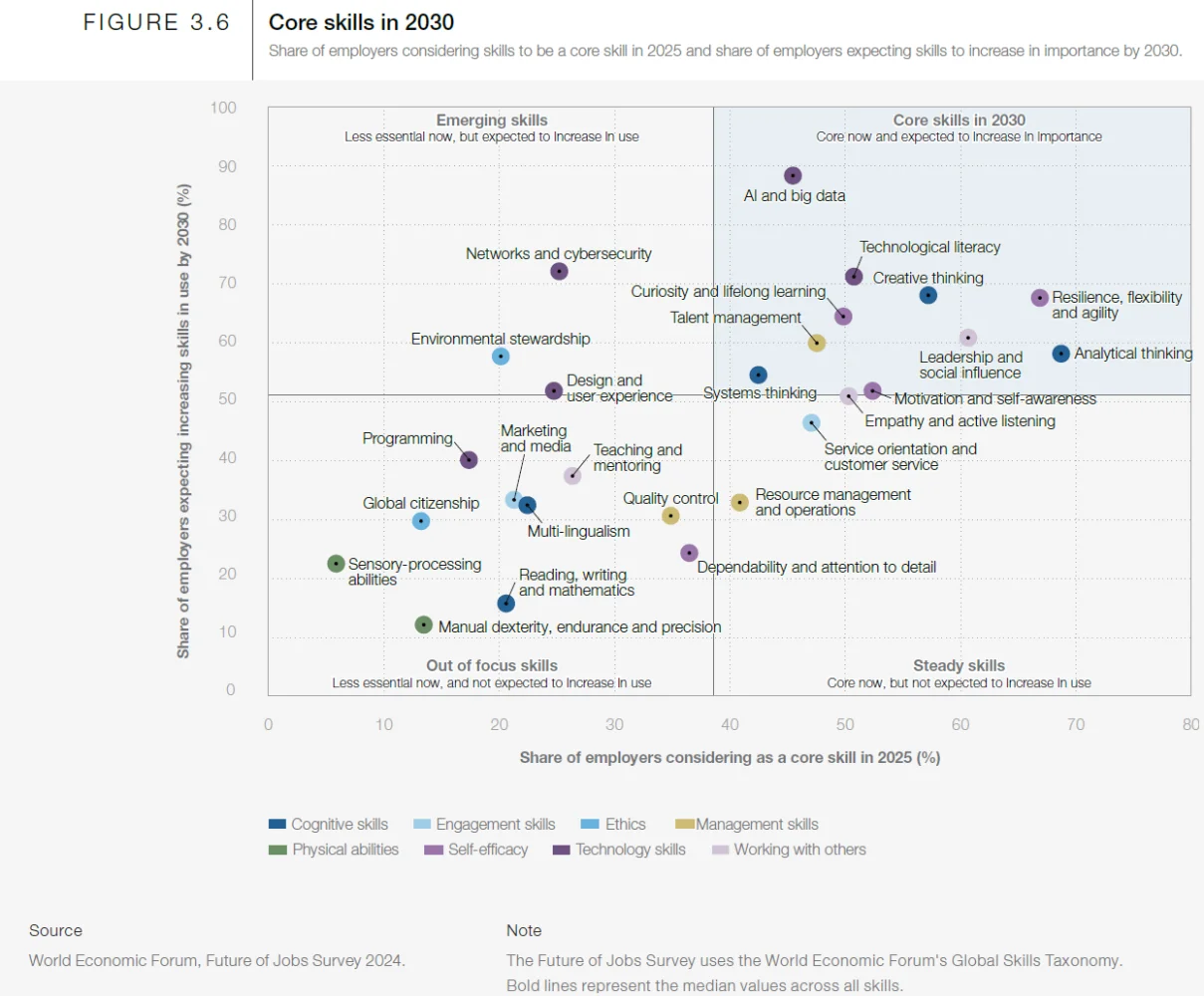
As we approach 2030, the “Ultimate Summit” has turned out to be a plateau. The recently released World Economic Forum (WEF) Future of Jobs Report 2025 provides a sobering look at the skills that will actually define the next five years. When you look at the data, one thing is clear: the era of the “Syntax Specialist” is ending, and the era of the “Agile Orchestrator” has begun. 1. The Jensen Huang Shift: Redefining “Smart” NVIDIA CEO Jensen Huang recently sparked a firestorm by suggesting that the smartest people in the room should no longer focus on programming. He argued that in the past, we had to learn how to speak “Computer” (C++, Java, Python) to be productive. Today, the computer has finally learned to speak “Human.” ...
January 29, 2026

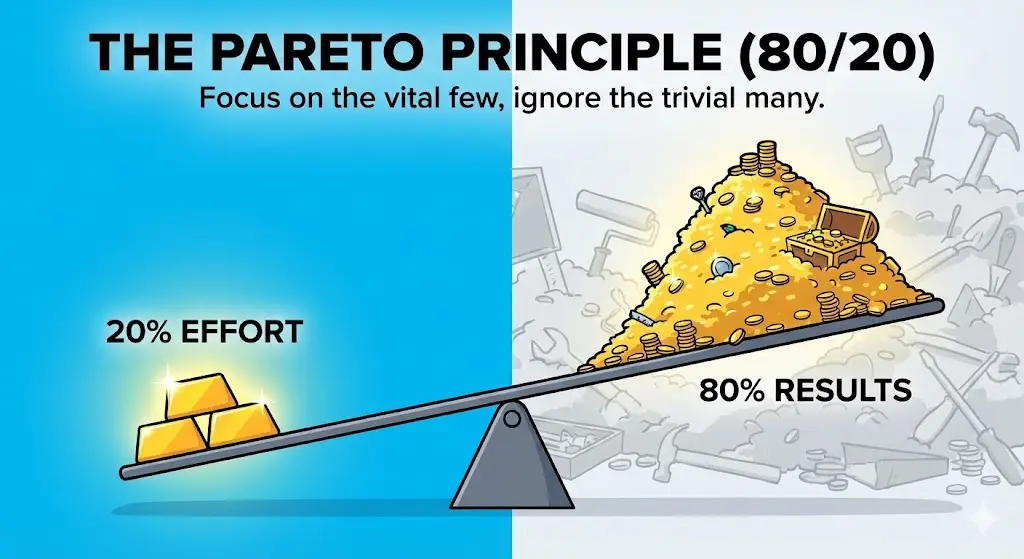
The Pareto Principle: Identify the "Vital Few" and Ignore the "Trivial Many"

The Myth of Linear Effort We grow up believing in a 1:1 relationship between Input and Output. If I study 1 hour, I learn 1 unit. If I study 2 hours, I learn 2 units. In software and business, this is a lie. The relationship is non-linear (Power Law). A single feature (like “Stories” in Instagram) can drive more engagement than the other 50 features combined. Applying 80/20 to Product Management 1. The Feature Trap (Bloatware) Open your analytics. Look at your navigation bar. I guarantee that 80% of your users only click on 2 or 3 buttons. The other 15 buttons are just gathering dust. ...

January 21, 2026

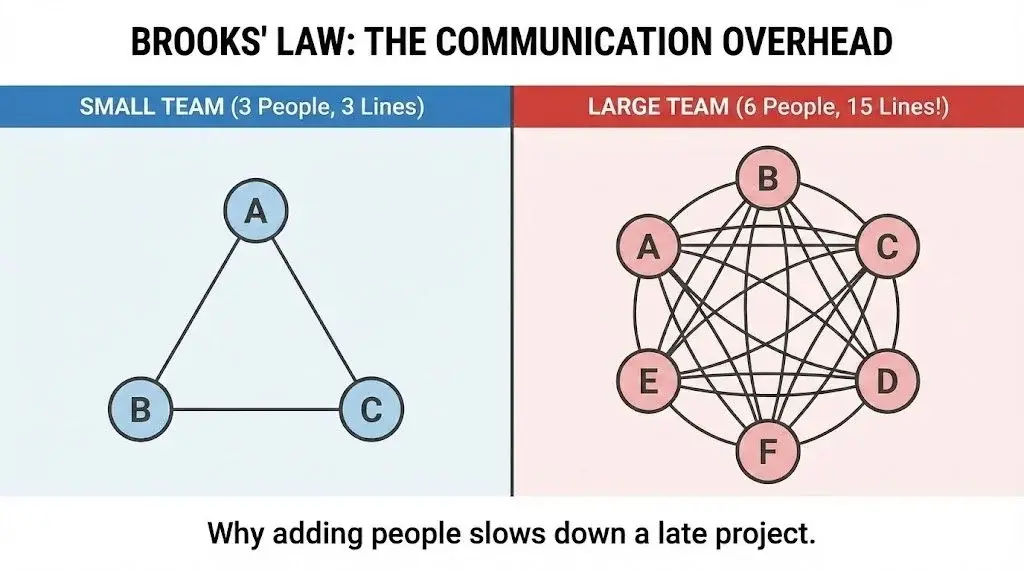
Brooks’ Law: Why Hiring More Developers Will Kill Your Deadline

The Panic Hire It is the most natural instinct in business. If you need to dig a ditch and you are behind schedule, you hire more diggers. Two people can dig a ditch twice as fast as one. Labor is interchangeable. Managers assume coding is like digging ditches. It is not. Coding is like performing surgery. In his 1975 classic The Mythical Man-Month, Fred Brooks observed a phenomenon that plagues the tech industry to this day: The “Rescue” Paradox. When a project is late, adding fresh bodies to the team actually pushes the delivery date further out. ...

January 12, 2026

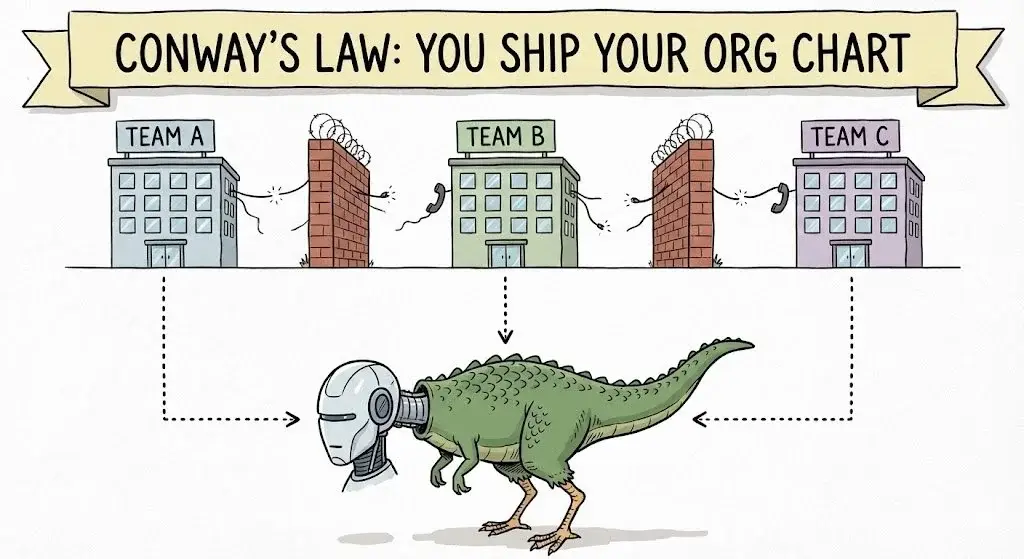
Conway’s Law: Why Your Product is Just a Mirror of Your Internal Politics

The Famous Sketch In 2011, an engineer named Manu Cornet drew a famous set of cartoons depicting the organizational charts of big tech companies. Apple: A tiny red dot (Jobs) connected to everything. (Result: Highly integrated, singular vision). Microsoft: Distinct pyramids pointing guns at each other. (Result: Windows vs. Office vs. Xbox felt like warring nations). Amazon: Strict, hierarchical pyramids. (Result: A platform of strictly defined, modular services). These drawings were funny because they were true. They were visual proof of Conway’s Law. ...

January 11, 2026

The Broken Windows Theory: How "Visual Debt" Rots Your Product Culture

The 1969 Experiment In 1969, Stanford psychologist Philip Zimbardo parked a car in a rough neighborhood in the Bronx and left the hood open. Within 10 minutes, it was stripped for parts. Then, he parked a pristine car in a wealthy neighborhood in Palo Alto. It sat untouched for a week. **Then, Zimbardo took a hammer and smashed one window of the Palo Alto car.**Within hours, the wealthy neighbors tore the car apart. ...

January 8, 2026

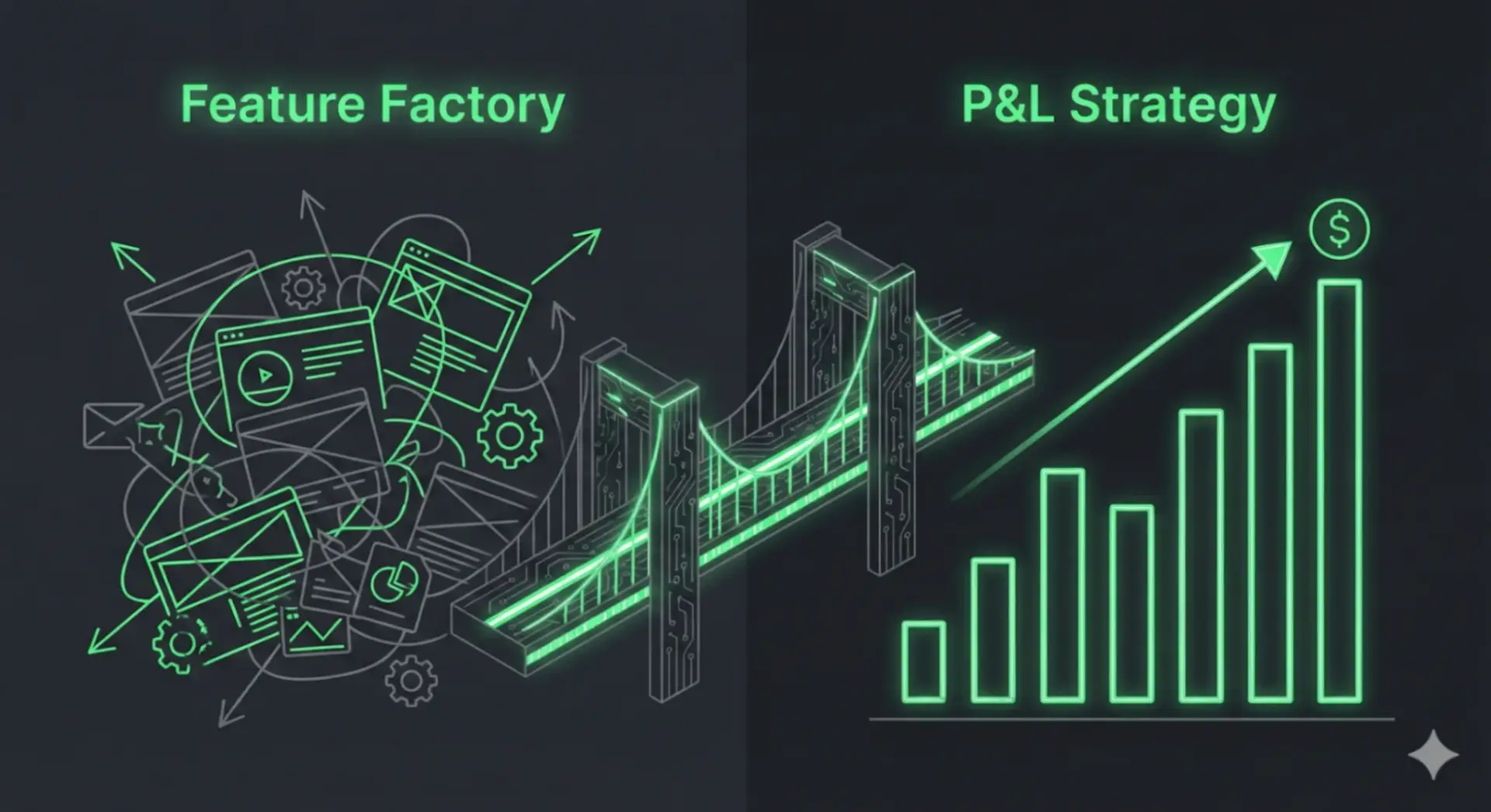
You aren’t a Product Leader until you can manage a P&L.

In the early stages of a Product Manager’s career, success is measured by output: features shipped, bugs fixed, and velocity maintained. But as you ascend to Principal, Director, or CPO roles, the scoreboard changes. Your code doesn’t matter anymore. Your P&L impact does. The most successful product leaders today act less like visionaries and more like capital allocators. They understand that every line of code is an investment that must return more than its cost of capital. ...

January 4, 2026

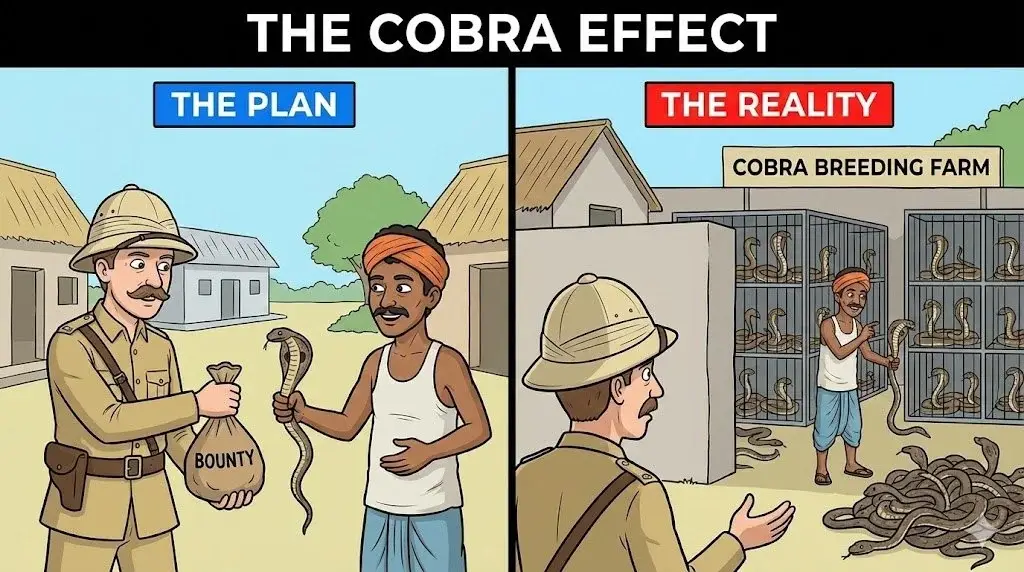
The Cobra Effect: Why Your KPIs Are Creating the Wrong Behavior

The Law of Unintended Consequences The Cobra story is a classic example of what economists call a Perverse Incentive—an incentive that produces a result contrary to the intentions of its designers. In the world of Product Management, we live and die by metrics. We set OKRs (Objectives and Key Results). We give bonuses based on numbers. But if you pick the wrong number, you don’t just get no results; you get bad results. ...

January 1, 2026

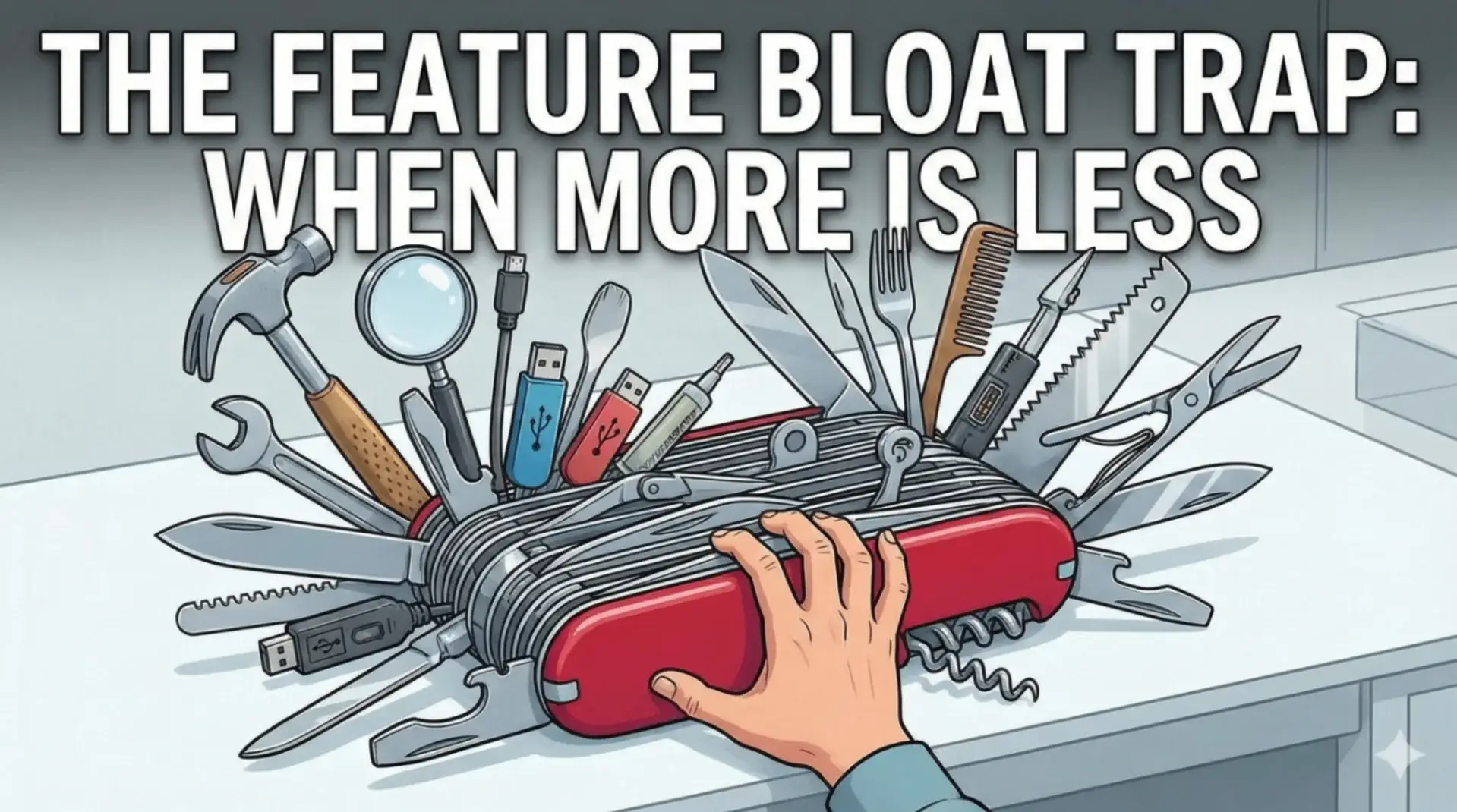
The Swiss Army Knife Syndrome: Why Great Products Die from Feature Bloat

The Complexity Creep Open Microsoft Word. Look at the toolbar. How many of those hundreds of icons have you clicked in the last year? Maybe 10? Now open Google Docs. It has perhaps 20% of Word’s features, yet it dominates collaboration. Why? Because it suffers less from Feature Bloat. Bloat happens slowly. No PM wakes up and says, “Let’s make our product confusing today.” It happens one rational decision at a time. ...

December 20, 2025

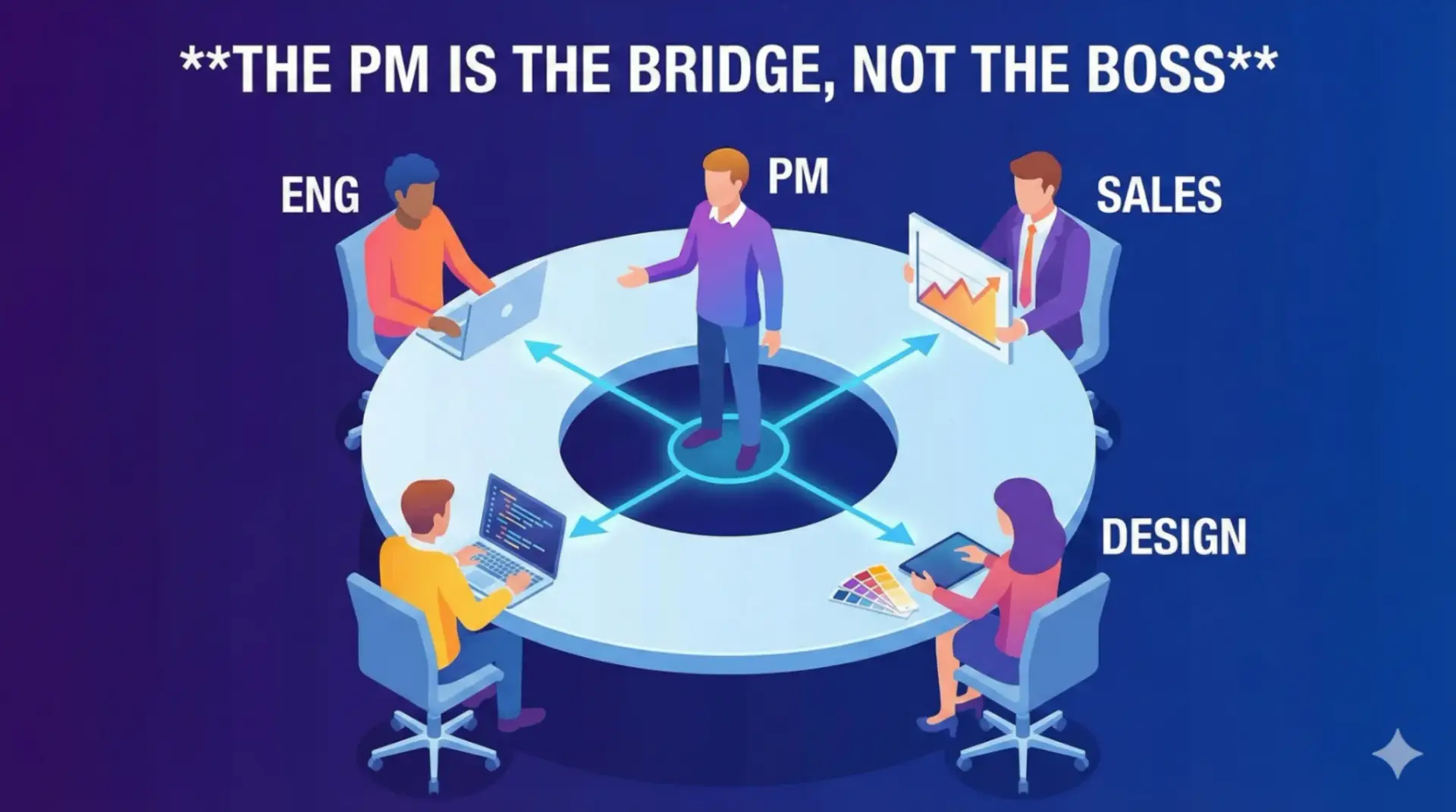
The End of the "CEO" Myth: Why the Best PMs are Diplomats

The Most Dangerous Advice in Tech Ben Horowitz famously wrote, “A good product manager is the CEO of the product." It is the most quoted line in our industry. It is also the most dangerous. When a Junior PM hears this, they walk into a room of Senior Engineers and think, “I am the boss here. I decide the roadmap." The result? Friction. Resentment. And eventually, a failed product. The reality of modern Product Management is simple: You have all the responsibility, but none of the authority. You are responsible for the success or failure of the product, but you do not report to the people who build it (Engineering) or the people who sell it (Sales). ...

December 14, 2025