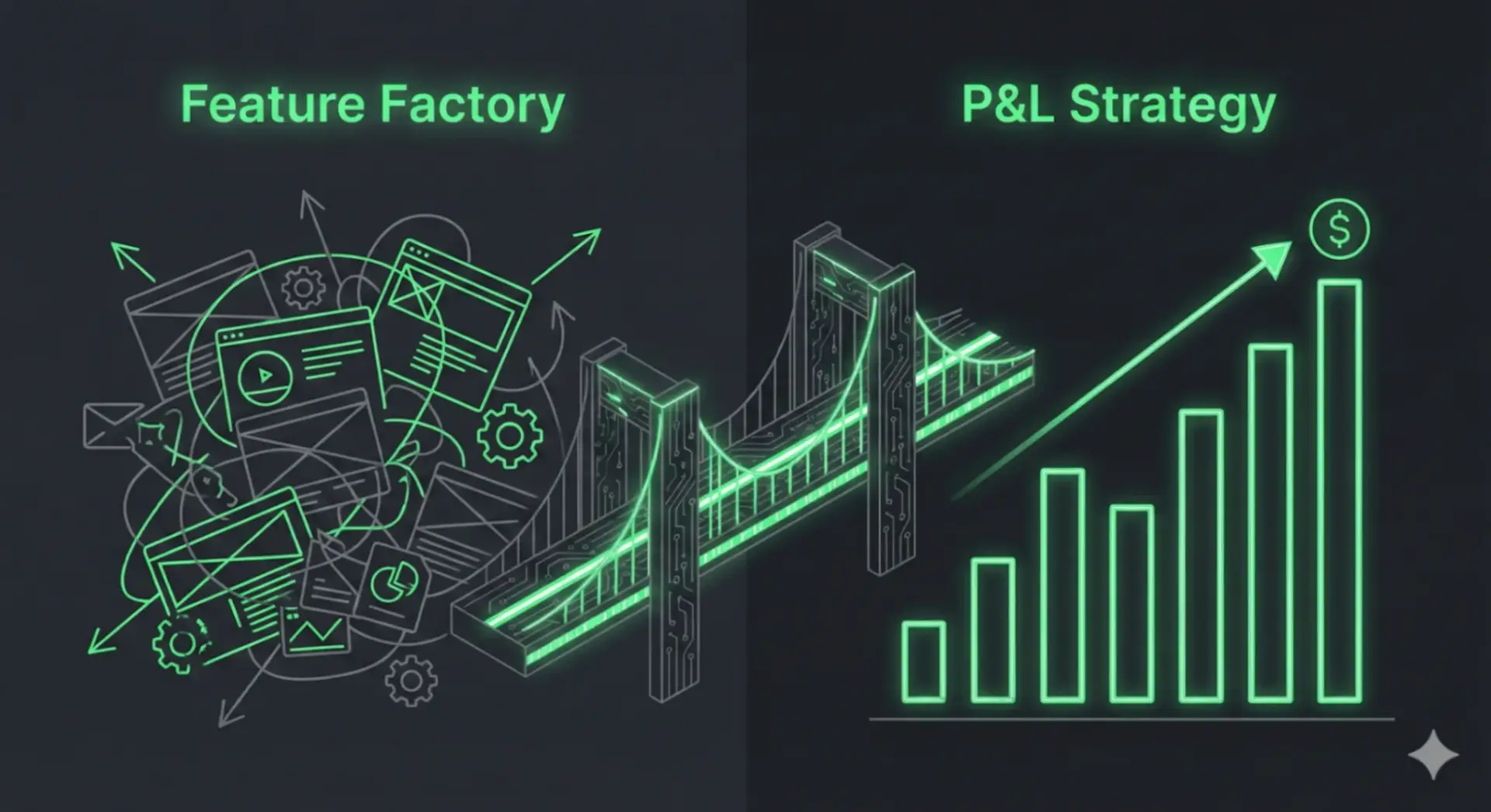
You aren’t a Product Leader until you can manage a P&L.

In the early stages of a Product Manager’s career, success is measured by output: features shipped, bugs fixed, and velocity maintained. But as you ascend to Principal, Director, or CPO roles, the scoreboard changes. Your code doesn’t matter anymore. Your P&L impact does. The most successful product leaders today act less like visionaries and more like capital allocators. They understand that every line of code is an investment that must return more than its cost of capital. ...
January 4, 2026

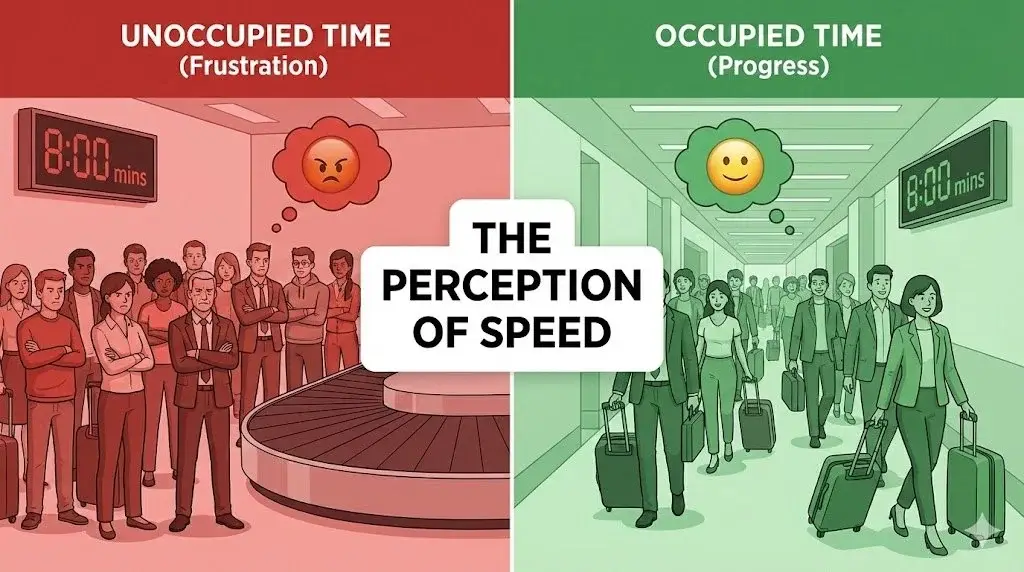
The Baggage Claim Strategy: Managing the Psychology of "The Wait"

The Houston Experiment The Houston Airport story is the foundational case study for the Psychology of Queuing. The airport realized that the objective variable (Time) mattered less than the subjective variable (Perception). When passengers were standing at the carousel staring at an empty belt, they were bored and anxious. They felt ignored. When they were walking, they were “working” toward a goal. They felt in control. The Maister Principles David Maister, an expert on business management, formulated several laws of waiting: ...

January 2, 2026

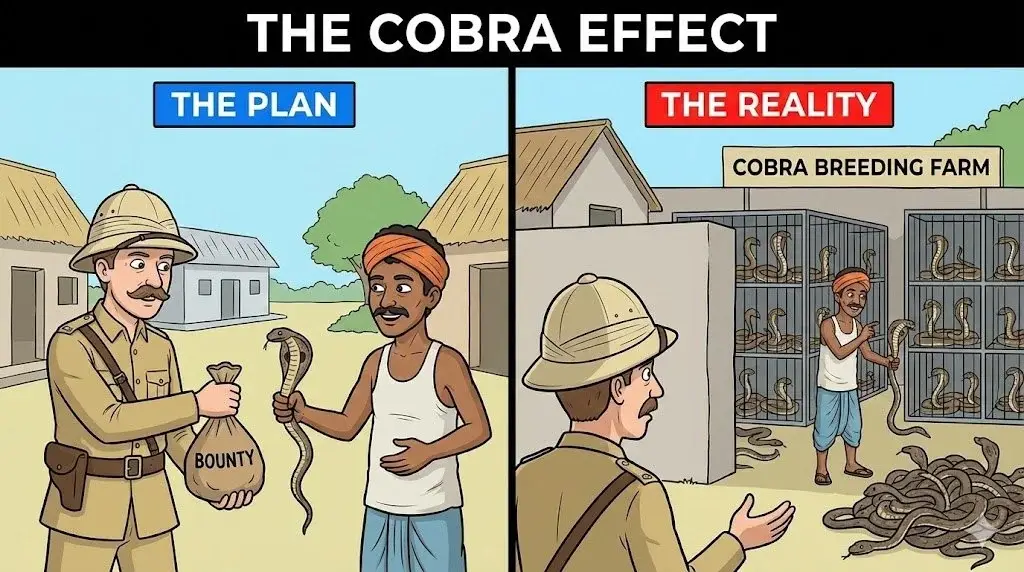
The Cobra Effect: Why Your KPIs Are Creating the Wrong Behavior

The Law of Unintended Consequences The Cobra story is a classic example of what economists call a Perverse Incentive—an incentive that produces a result contrary to the intentions of its designers. In the world of Product Management, we live and die by metrics. We set OKRs (Objectives and Key Results). We give bonuses based on numbers. But if you pick the wrong number, you don’t just get no results; you get bad results. ...

January 1, 2026

The Paywall Paradox: Why the Most Profitable Apps Are Also the Most Generous

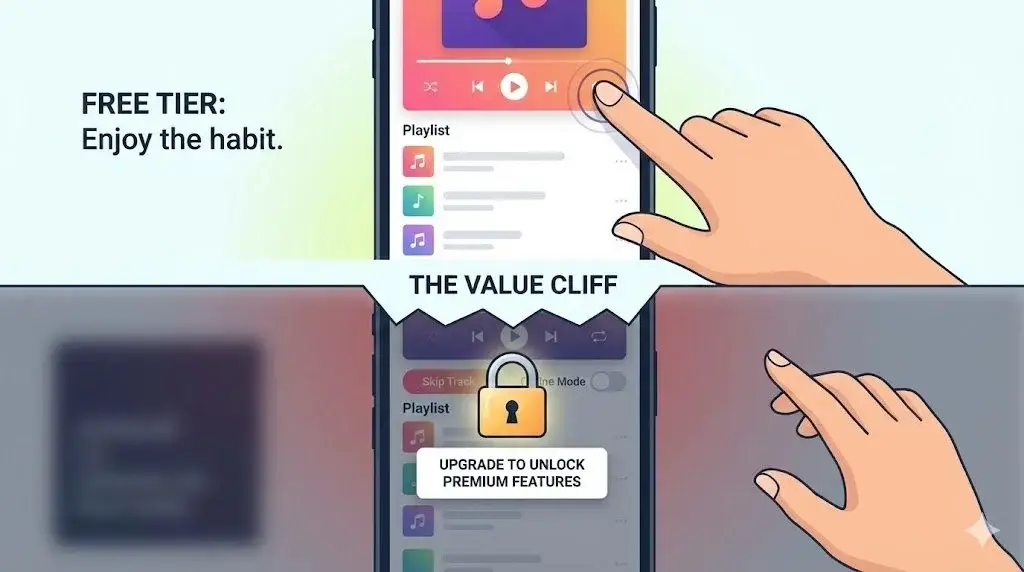
The “Free” Illusion There is no such thing as a free app. If an app is “free,” it is one of two things: You are the product (they are selling your data/ads). It is a marketing channel for a paid product (Freemium). Freemium is the dominant business model for modern B2C SaaS. But getting it right is arguably the hardest challenge in product strategy. The Economics of Generosity Why give your hard work away for free? Because Customer Acquisition Cost (CAC) is expensive. Running ads on Facebook and Google to get someone to download a $5 app is often unsustainable. ...

January 1, 2026

The Hole in Your Data: How Survivorship Bias is Killing Your Growth

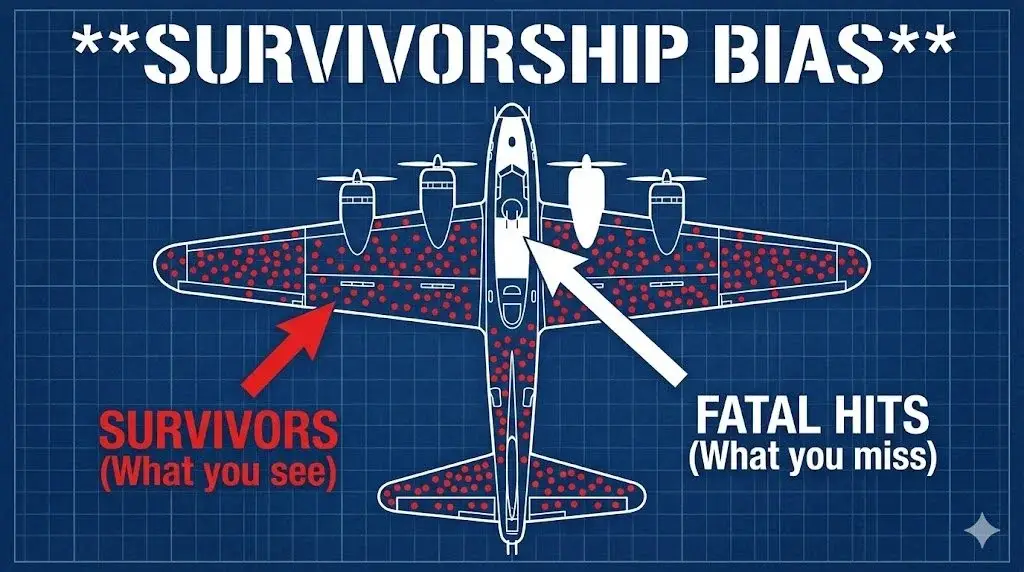
The Missing Data The story of Abraham Wald and the WW2 bombers is the perfect metaphor for modern Product Management. The Generals made a logical error: They assumed the data they had was the entire data. They forgot about the data they didn’t have: The planes lying at the bottom of the ocean. In SaaS, your “Ocean” is your Churn Rate. The “Power User” Trap We love our Power Users. They answer our surveys. They join our beta programs. They rave about us on Twitter. So, we build features for them. ...

December 29, 2025

The $1.50 Hot Dog Strategy: When Losing Money is the Most Profitable Move

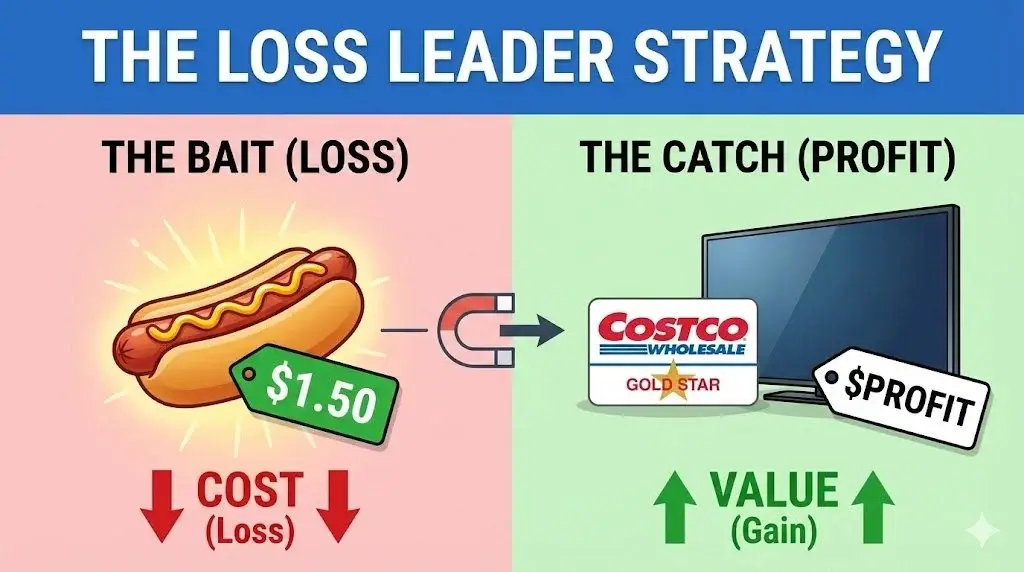
The Famous Threat In 2009, Costco’s then-CEO came to the founder, Jim Sinegal, and said, “Jim, we can’t sell this hot dog for $1.50 anymore. We are losing our shirts.” Sinegal replied with the now-famous line: “If you raise the effing hot dog, I will kill you. Figure it out.” So, they built their own hot dog factories just to keep the price down. They refused to break the $1.50 price point. ...

December 25, 2025

The IKEA Effect: Why We Love the Products We Build ourselves (And How to Use It)

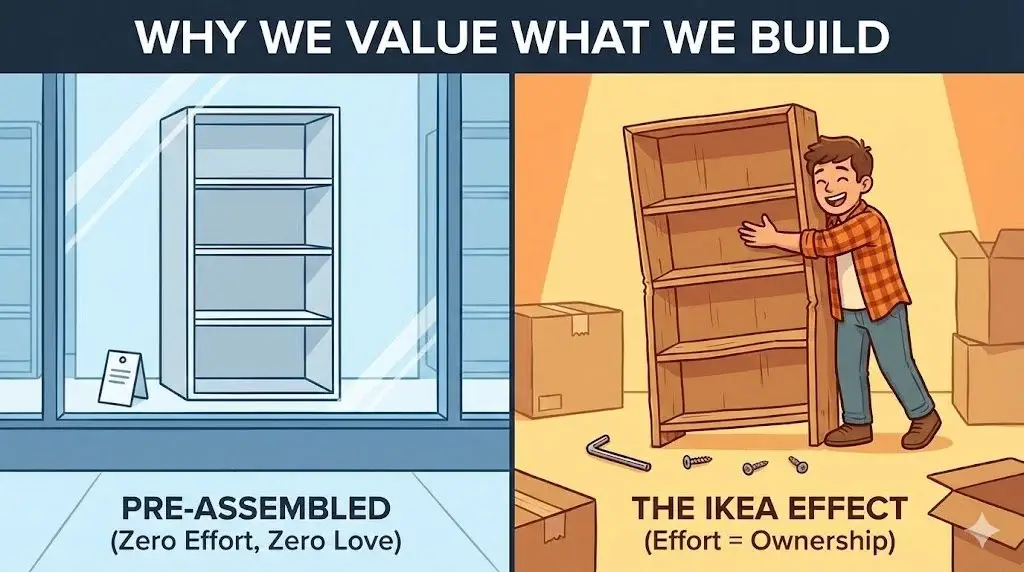
The Wobbly Bookshelf Paradox There is a strange paradox in human psychology. We hate work, but we love the fruits of our labor. Researchers Dan Ariely, Michael Norton, and Daniel Mochon dubbed this the “IKEA Effect.” In their experiments, they found that people who built a simple LEGO set valued it significantly higher than people who were just handed the completed set. The act of creation—even a simple, guided one—creates a cognitive bias. We assume that anything we spent time on must be valuable. ...

December 25, 2025

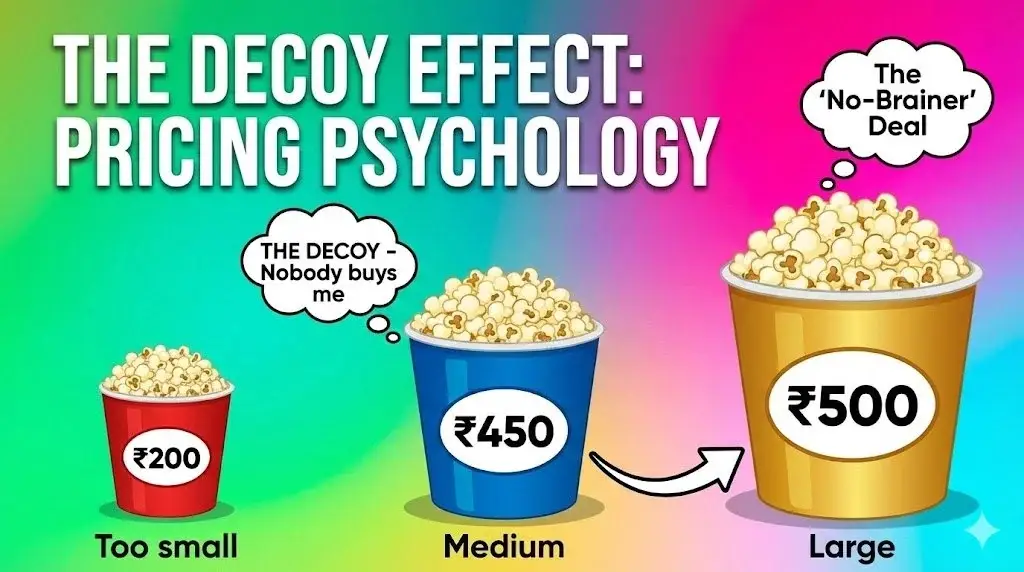
The Decoy Effect: How to Use "Useless" Options to Drive Revenue

The Rational Shopper Myth We like to believe we are rational. We think we judge a product’s value based on its intrinsic worth. But behavioral economics tells us a different story: Humans are terrible at evaluating absolute value. We are only good at evaluating relative value. We don’t know if a subscription is “worth” $50. We only know if it’s “better value” than the $40 option next to it. The Experiment This phenomenon was famously demonstrated by Dan Ariely (author of Predictably Irrational) using an Economist magazine subscription offer. ...

December 22, 2025

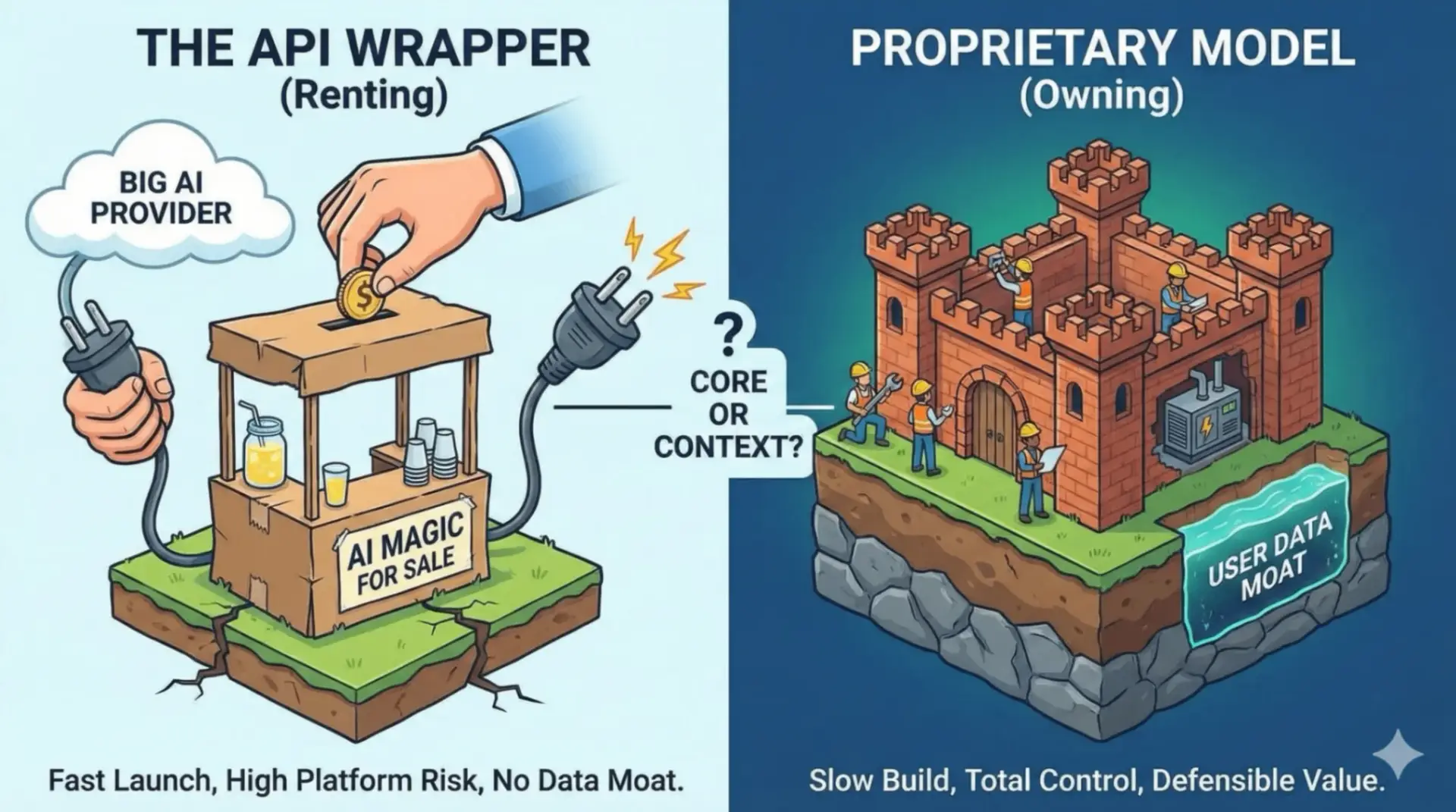
The New Build vs. Buy Dilemma: Are You Renting Your Company's Future?

The Illusion of Speed The allure of the “Buy” option (using foundational model APIs like GPT-4, Claude, or Gemini) is intoxicating. As a Product Manager, you can prototype a magical feature in a weekend. You can launch in a month. You don’t need an army of data scientists. The TTV (Time to Value) is incredible. It feels like a no-brainer. Why do the heavy lifting when Sam Altman has already done it for you? ...

December 21, 2025

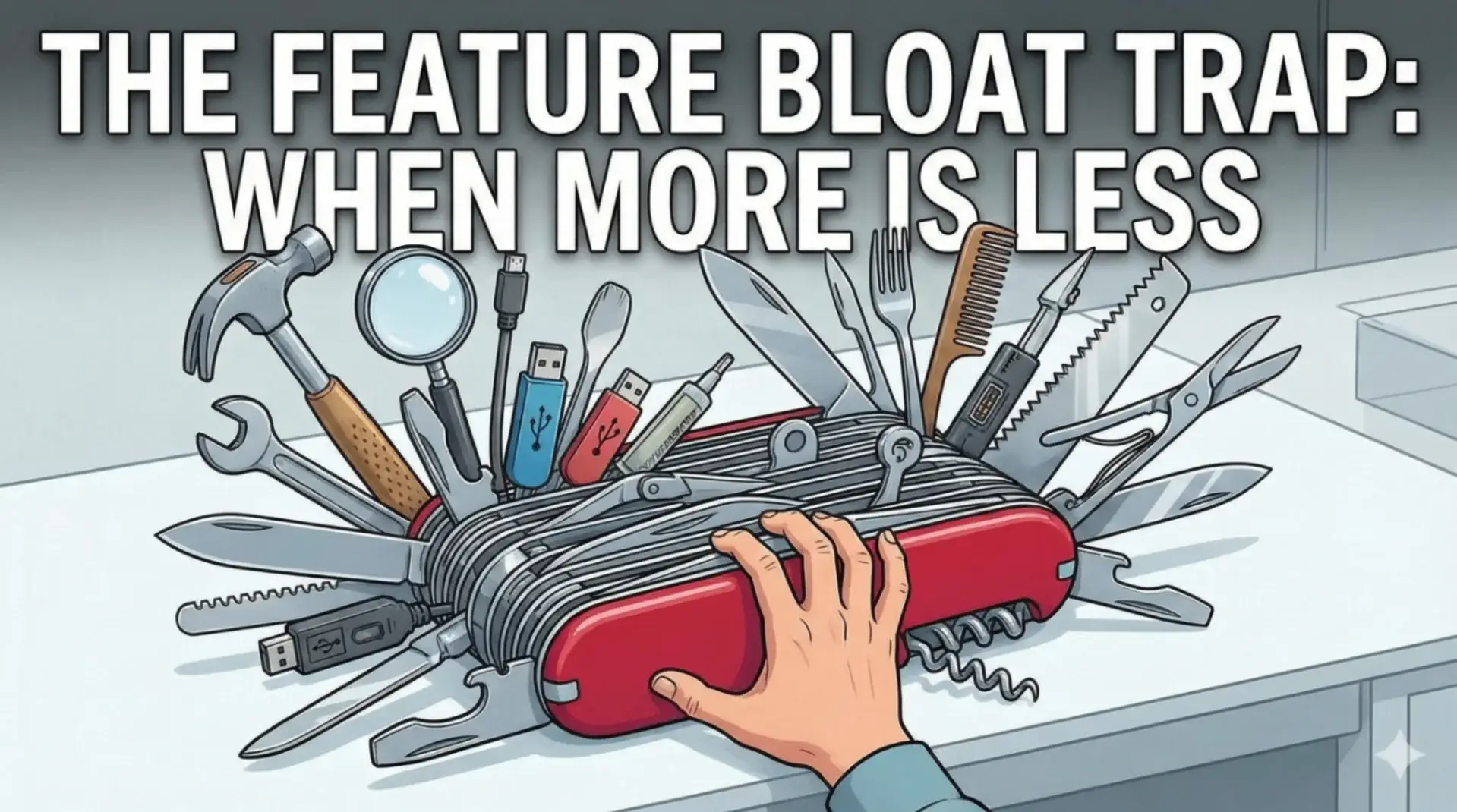
The Swiss Army Knife Syndrome: Why Great Products Die from Feature Bloat

The Complexity Creep Open Microsoft Word. Look at the toolbar. How many of those hundreds of icons have you clicked in the last year? Maybe 10? Now open Google Docs. It has perhaps 20% of Word’s features, yet it dominates collaboration. Why? Because it suffers less from Feature Bloat. Bloat happens slowly. No PM wakes up and says, “Let’s make our product confusing today.” It happens one rational decision at a time. ...

December 20, 2025